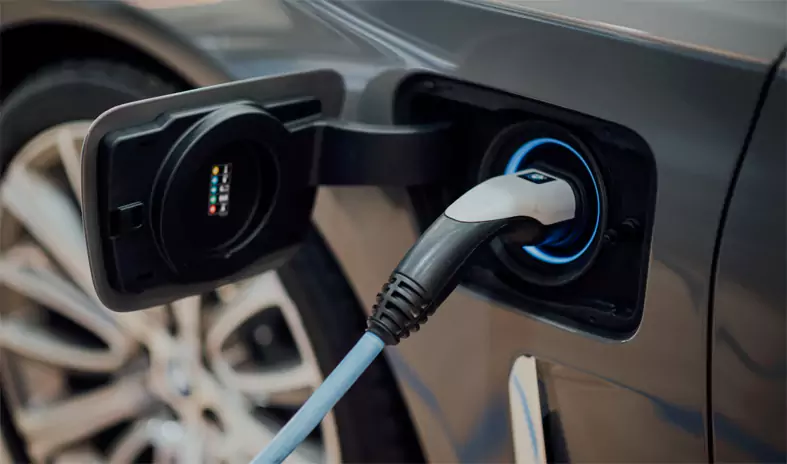
Avoid These 5 Mistakes While Charging Your EV at Home
EV Charging Tips: Public charging stations are gradually increasing, but most EV owners still prefer charging their vehicles at home because it is easier and more affordable.
Highlights
-
Check the charging cable regularly and avoid using extension boards.
-
Unplug the charger once the battery is full to prevent overcharging.
-
Always charge your EV in a dry and well-ventilated area.
The popularity of electric vehicles has grown rapidly in India. Electric scooters are now a common sight on the roads, and many people are also buying electric cars. Since charging stations are not always easily available outside, most people prefer to charge their vehicles at home. However, there are a few important things you should keep in mind when charging your EV at home.
Check the Charging Cable
EV charging cables should be inspected regularly. If the cable is damaged or the plug is loose, it should not be used. If the wire or plug becomes unusually hot during charging, it is better to replace it immediately. Proper charging habits can help extend battery life and reduce the risk of short circuits.
Avoid Using Extension Boards
It is not advisable to use an extension cord for charging your EV. Charging takes time, and using an extension board for long periods can cause overheating and increase the risk of electrical damage. The safest method is to plug the charger directly into a reliable wall socket.
Use the Company’s Charger
Always use the charger provided by the vehicle manufacturer. The original charger is designed to work perfectly with the vehicle’s Battery Management System (BMS) to ensure battery safety. Cheap or third-party chargers may cause overheating and even increase the risk of fire. Using the correct charger helps maintain battery health and longevity.
Unplug Once the Battery Is Fully Charged
Most modern EVs automatically stop charging when the battery reaches 100%. However, it is still recommended to unplug the charger once charging is complete. Leaving the vehicle plugged in for long periods after it is fully charged can negatively affect battery health over time.
Choose a Safe Charging Location
The place where you charge your EV should be completely dry and well ventilated. Proper airflow helps dissipate the heat generated during charging. During the monsoon season, make sure the parking area is free from water. If you remove a scooter’s battery for charging, avoid placing it directly on the ground—placing it on a table or shelf is safer.