Nokian Unveils Smart Winter Tires with Retractable Studs
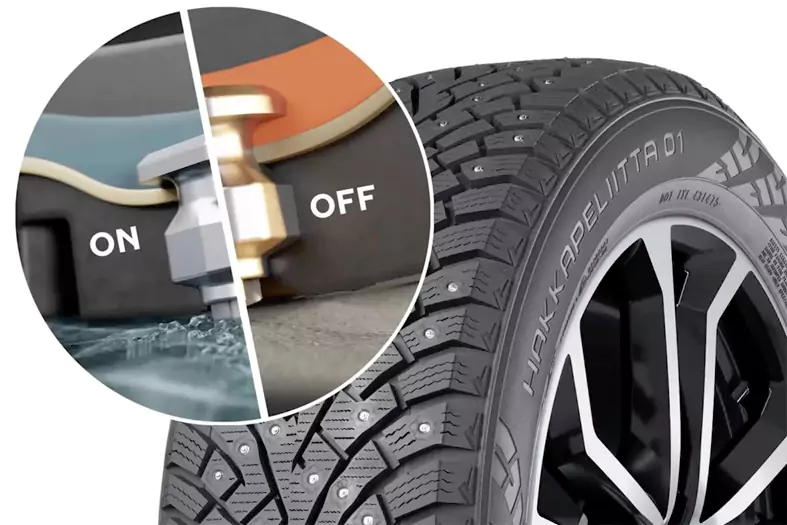
Nokian Tyres has introduced an innovative winter tire concept featuring retractable studs that automatically adapt to weather conditions. After 12 years of development, the Finnish manufacturer presented the new Nokian Hakkapeliitta 01, designed to improve safety while reducing road damage.
The smart tire technology allows studs to extend in cold temperatures for maximum grip on ice and retract when temperatures rise, reducing tire and road wear.
How the Retractable Stud System Works
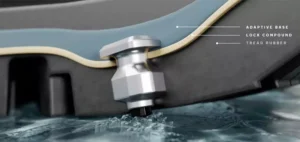
The tire uses Double Action Stud technology combined with a three-layer Adaptive Base structure.
-
The inner layer hardens in cold temperatures, pushing the metal stud toward the tread surface.
-
When the temperature rises, the material softens, allowing the stud to retract back into the tire.
This automatic adjustment enables the tire to adapt to changing winter conditions in real time.
Improved Grip and Reduced Road Wear
According to Nokian, the new tire technology provides several benefits:
-
Up to 30% reduction in road wear
-
10% better ice grip compared with the Nokian Hakkapeliitta 10
-
Improved traction due to different stud orientations on side and shoulder elements
The design aims to balance winter driving safety with infrastructure protection, a key concern in regions that use studded tires.
Precision Robotic Installation
The studs are installed using robotic systems and scanned to ensure correct placement and secure attachment. This process helps guarantee consistent performance and durability across each tire.
Commercial Launch Still Uncertain
While the technology has been demonstrated with the Hakkapeliitta 01 prototype, Nokian has not yet announced when the tire will enter mass production.
If commercialized, the concept could represent a major step forward in adaptive tire technology for harsh winter climates.