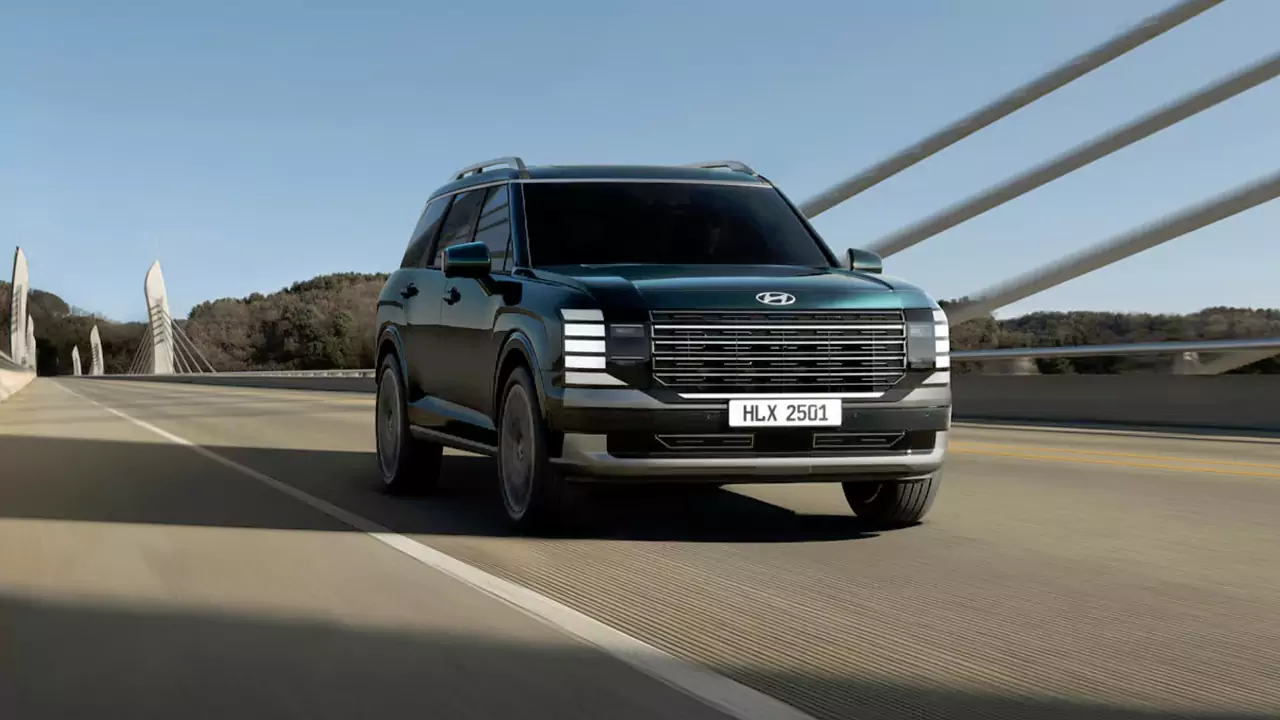
Hyundai Motor is facing increased scrutiny after South Korea’s transport ministry ordered the recall of approximately 58,000 Palisade hybrid SUVs due to safety concerns linked to the vehicle’s automatic seat mechanism. The move follows a fatal incident in the United States earlier this month, where a two-year-old child reportedly died after a third-row seat malfunctioned.
The issue has raised serious concerns about the design and safety of the seat control system. Authorities in South Korea stated that the second- and third-row seats may fail to detect contact with occupants or objects due to inadequate software in the seat controllers. This flaw could allow the automatic folding seats to operate even when obstructed, posing significant risks to passengers.
In response to the incident, Hyundai had already halted sales of certain high-end variants of the Palisade and initiated a recall of around 68,500 units in the United States and Canada. The company confirmed that it is actively investigating the root cause of the fatal accident and related safety concerns.
Additional incidents have further highlighted the issue. Hyundai reported that two passengers in South Korea were injured in separate cases in late 2025, possibly due to the same seat malfunction. In the United States, four injuries have also been linked to the power seat problem, as reported to regulators.
As an immediate measure, Hyundai has begun rolling out a software update designed to mitigate the risk. The update simplifies the process of disabling the automatic seat-folding function, allowing drivers to turn it off with a single switch instead of restarting the vehicle. It also restricts the activation of the seat-folding feature to situations when the tailgate is open, reducing the likelihood of accidental operation.
While the software update serves as a temporary fix, further corrective actions may be required. Industry analysts suggest that if hardware replacement becomes necessary, the recall could cost Hyundai around 100 billion won (approximately $66 million). The company may also face potential legal challenges, including class-action lawsuits and claims for damages.
The Hyundai Palisade has been a strong performer in Hyundai’s lineup, emerging as the brand’s best-selling SUV in South Korea last year. However, the current safety concerns could impact its reputation and sales momentum.
Overall, the recall underscores the growing importance of software reliability in modern vehicles, where advanced features such as automated seats and driver-assistance systems must operate flawlessly to ensure passenger safety. Hyundai’s next steps, including possible additional fixes, will be critical in restoring consumer confidence and addressing regulatory concerns.