A Major Bet on CAFE-3: Government Moves to Tighten Grip on Vehicle Mileage
The CAFE-3 regulations aim to improve the fuel efficiency of passenger vehicles and reduce carbon emissions. Two drafts of this new rule have been released so far, sparking controversy within the auto industry. Some car manufacturers believe these regulations could directly benefit companies that primarily produce small cars.
Significant developments have emerged regarding vehicle fuel regulations in India. The government is now preparing to further tighten vehicle mileage and carbon emission norms. The Ministry of Power has submitted a proposal for Corporate Average Fuel Efficiency (CAFE-3) regulations to the Prime Minister’s Office (PMO) for approval. This move is being seen as the beginning of major changes in the auto sector.
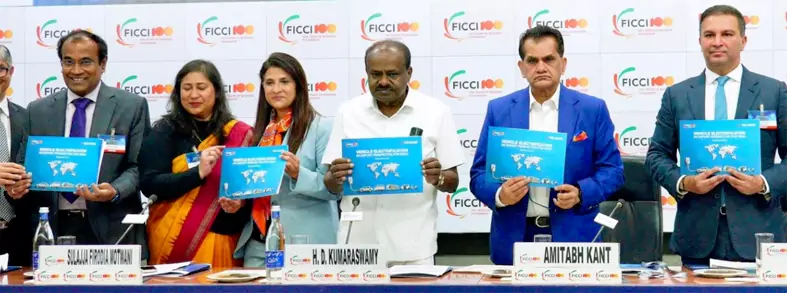
Heavy Industries Minister H.D. Kumaraswamy, speaking to reporters on Wednesday during the National Conference on Electric Vehicles organized by FICCI, said the ministry had sent the proposal to the PMO after discussions with industry representatives. However, he did not clarify whether any changes had been made to the draft issued in September. He also did not confirm whether the same draft that offered relief to small vehicles was forwarded to the PMO or if it had been modified.
What Is the CAFE-3 Rule?
The CAFE-3 regulations aim to improve the fuel efficiency of passenger vehicles and reduce carbon emissions. Two drafts of CAFE-3 have been released so far, and both have triggered extensive debate within the auto industry.
Under CAFE norms, the government sets a minimum target for the average fuel efficiency of each vehicle manufacturer’s entire fleet. A maximum limit for carbon dioxide (CO₂) emissions is also defined. Importantly, the regulation applies not to a single model but to the average emissions of all vehicles sold by a company.
The second draft, released in September 2025, proposed further tightening of average CO₂ emissions from April 2027. It also suggested some relief for small petrol cars. Vehicles under four meters in length, with engines up to 1200cc and weighing up to 909 kg, could receive an additional 3 grams of CO₂ per kilometer in fleet performance calculations. However, this exemption was capped at 9 grams per kilometer per model.
Controversy Over Relief for Small Cars
The proposal to provide relief to small cars triggered major debate within the industry. Several automakers whose portfolios are dominated by larger vehicles such as SUVs and MPVs raised objections. They argued the proposal would primarily benefit companies like Maruti Suzuki, whose lineup largely consists of entry-level hatchbacks and compact cars.
According to reports, the draft was later revised to remove some of the concessions given to small cars.
Possible Impact on Car Prices
Stricter regulations could particularly increase the cost of entry-level petrol cars. Automakers may need to develop new fuel-efficient technologies to meet the proposed targets, which could directly impact vehicle pricing and make even budget small cars more expensive.
However, industry experts believe the move signals a major structural shift in the Indian car market. The rising compliance costs are expected to accelerate the transition toward hybrid and electric vehicles.
28 Lakh Electric Vehicles Sold So Far
H.D. Kumaraswamy stated that more than 2.8 million electric vehicles have been sold in the country under the Prime Minister’s e-Drive scheme. The minister added that the total includes over 2 million electric two-wheelers and nearly 300,000 electric three-wheelers.
Electrification is also gaining pace in public transport. More than 14,000 electric buses have been approved for deployment in major cities across India, indicating the government’s strong push toward cleaner mobility.