New form of immunotherapy attacks cancer more precisely and with fewer side effects
Scientists from McGill University (Montreal) and the Rosalind and Morris Goodman Cancer Institute have developed a new method for delivering immunotherapy that, in preclinical studies, produced fewer side effects than standard treatment. Experiments have shown that this method can improve the therapy’s effectiveness without increasing toxicity.
The development is aimed at treating cancer that has spread to the lymph nodes, one of the most complex stages of the disease. Currently, most immunotherapy drugs are administered intravenously and circulate throughout the body. This often leads to activation of the immune system in healthy tissues and causes severe complications.
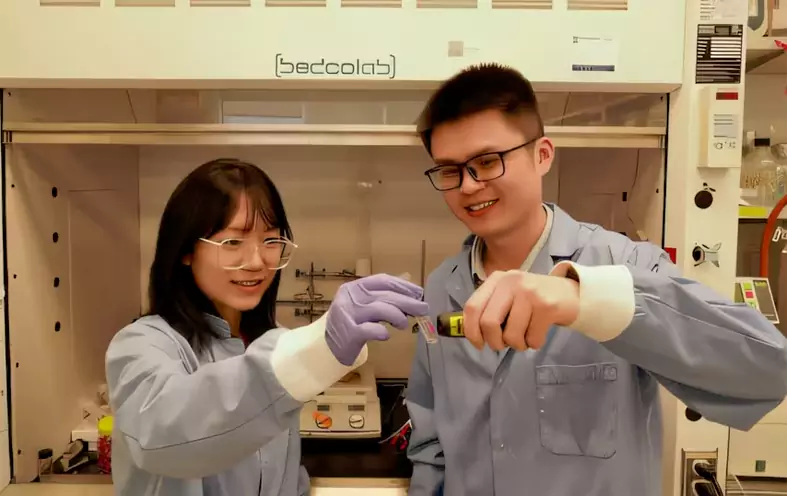
The study’s leader, Guojun Chen, notes that due to severe side effects, doctors often have to reduce drug dosages, which reduces their therapeutic effect. He explains that the new approach allows for higher, more effective dosages while limiting harmful effects.
To avoid systemic drug effects, the authors encapsulated an existing immunotherapeutic drug in specially designed nanoparticles. These microscopic structures travel through the bloodstream and activate the drug only after reaching the lymph nodes affected by the tumor.
The nanoparticles are able to recognize a molecule that is present in high concentrations in cancerous lymph nodes. Upon detection, the drug is activated and begins to act locally. In healthy tissue, it remains inactive and is destroyed over time without causing a significant immune response.
Tests in mice have shown that this delivery method reduces the frequency and severity of side effects while simultaneously increasing treatment efficacy compared with standard intravenous immunotherapy. This is particularly important since affected lymph nodes are often surgically removed, which weakens the immune system.
As the study’s lead author, Yueyang Deng, emphasizes, lymph nodes play a key role in immune function. This new method potentially allows treatment of the disease while maintaining normal lymph node function and reducing the risk of immune disorders.
The authors also note that the study demonstrates the growing role of engineering technologies in oncology. They draw parallels with mRNA vaccines and other nanomedicine advances made possible by the fusion of cancer biology and materials science. The team is continuing to evaluate the method’s safety in other preclinical studies before potentially moving on to clinical trials.