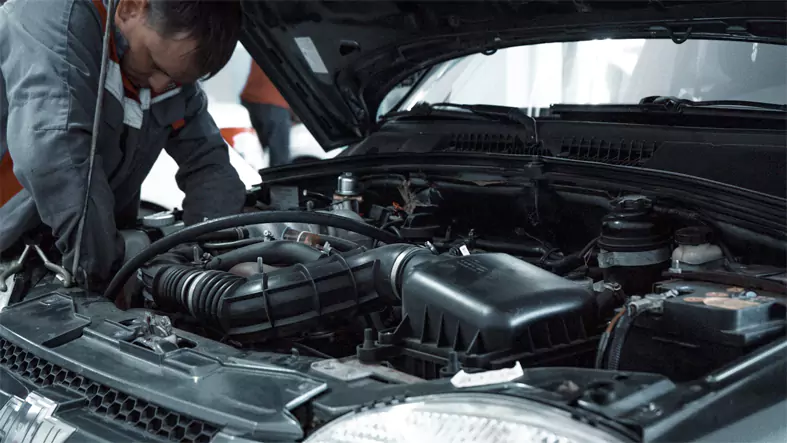
Car Engine Sensors Guide: A car’s engine sensors work like silent superheroes and act as the vehicle’s hidden brain. If these sensors malfunction, not only do performance and mileage drop, but there is also a serious risk of engine damage. Let’s understand this in detail.
Car Engine Sensors Explained: In petrol, diesel, or CNG cars, the engine is the most important component and is often called the brain of the machine. However, it also has a “hidden brain” — the sensors. The engine operates with the help of multiple sensors that constantly monitor different parameters.
Just like the human body relies on veins and arteries to circulate blood and keep functioning, a car depends on sensors to operate smoothly. If any of these sensors fail, engine performance drops, fuel consumption increases, and the check engine light may appear on the dashboard. In extreme cases, the engine may suddenly shut down or the car may fail to restart. Therefore, any engine-related warning light should never be ignored.
Important Engine Sensors in Cars
Modern cars are equipped with an Engine Control Unit (ECU), which receives data from various sensors and manages engine performance accordingly.
- Oxygen Sensor: Located near the exhaust, it measures the amount of oxygen in the exhaust gases. Based on this data, the ECU adjusts the fuel mixture for better efficiency and mileage.
- Mass Air Flow (MAF) Sensor: It measures the amount of air entering the engine, helping maintain the correct air-fuel ratio.
- Manifold Absolute Pressure (MAP) Sensor: It detects engine load and helps optimize performance.
- NOx Sensor: It monitors the emission of harmful nitrogen oxide gases to ensure environmental compliance.
Coolant and Speed Sensors
- Coolant Temperature Sensor: It monitors the temperature of the engine coolant. If the engine overheats, it alerts the ECU, which may activate the radiator fan and display a warning on the dashboard.
- Crankshaft and Camshaft Sensors: These sensors control engine timing by informing the ECU about piston position and spark timing. If they fail, the car may not start.
- Speed Sensor: It tracks the vehicle’s speed and supports various safety and performance systems.
Why You Should Not Ignore Warning Signs
For smooth driving, all engine sensors must function properly and continuously send accurate data to the ECU. Ignoring warning lights or sensor-related issues can lead to severe engine damage, resulting in costly repairs that may run into thousands or even lakhs of rupees.