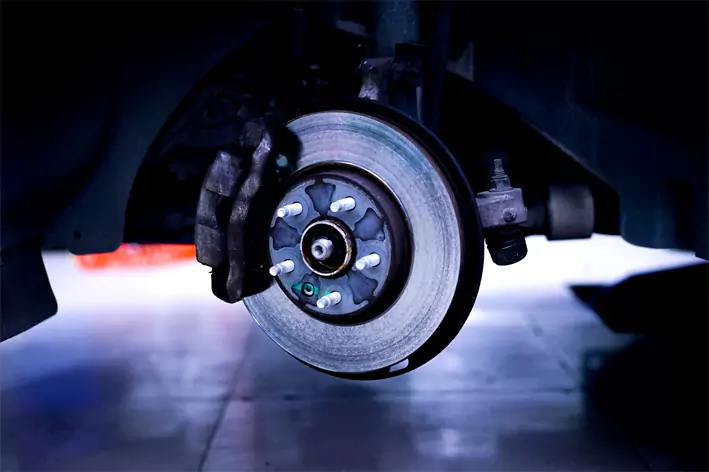
Ceramic brakes are commonly used in high-performance and high-speed cars to deliver reliable and consistent braking power. Let’s understand how they work.
Driving powerful cars like AMG, Lamborghini, or Porsche is not just about speed and sound. While speed is thrilling, the ability to slow down safely and precisely is equally important. This is why ceramic brakes are used in many premium and performance-oriented vehicles.
How Does a Disc Brake Work?
A disc brake consists of a round metal component known as a brake rotor, which rotates along with the wheels. When the driver presses the brake pedal, hydraulic pressure activates a clamping device called a caliper.
The caliper squeezes the rotor, creating friction that slows down the vehicle. Inside the caliper are brake pads, which come into direct contact with the rotor. These pads gradually wear out over time and need to be replaced periodically.
Rotor Design
The rotor is one of the key components that wears out with use. Standard rotors are usually made from cast iron. This material is cost-effective and offers good heat dissipation. However, cast iron rotors are relatively heavy.
Construction of Ceramic Composite Brakes
Ceramic composite brakes (CCBs) are made using advanced materials, including ceramic fibers instead of traditional cast iron. Their manufacturing process is highly complex and carefully controlled.
The brake disc is formed under high pressure, with aluminum particles added to enhance strength. It is then heated at progressively higher temperatures over an extended period to achieve the desired durability and performance.
Advanced Technology by Porsche
Porsche was among the first manufacturers to develop ceramic composite discs with curved cooling channels. This design improves airflow and enhances heat dissipation.
These discs are perforated like conventional steel rotors but are approximately 50% lighter. They can withstand extremely high temperatures without suffering from common issues like brake fade.
Additionally, ceramic brakes produce very little brake dust and offer a significantly longer service life compared to conventional braking systems.