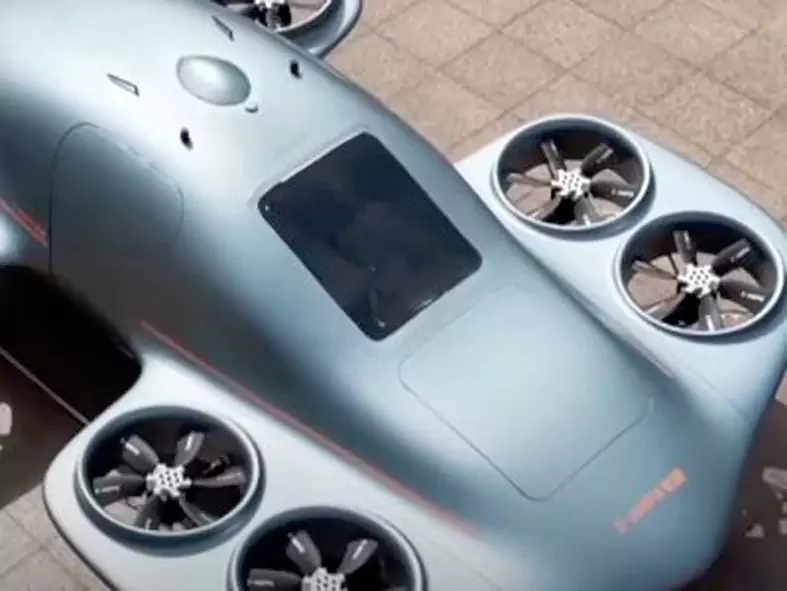
China Reveals ‘Flying Saucer’ eVTOL Aircraft
China has unveiled several electric vertical takeoff and landing aircraft (eVTOL) during a technology exhibition in Wuhan. Among the highlights was a futuristic aircraft with a “flying saucer” design, weighing more than one ton.
Developers say the aircraft is designed specifically for rapid takeoff and high maneuverability in dense urban environments.
Designed for Fast Urban Flight
The aircraft features a disc-shaped body with integrated propellers, giving it the appearance of a flying saucer. According to the developers, the vehicle can:
-
Take off in about 3 seconds
-
Perform low-altitude maneuvers near buildings
-
Operate effectively in crowded urban areas
This design could make it suitable for short-distance transportation, logistics, and emergency missions.
Payload Capacity and Potential Use Cases
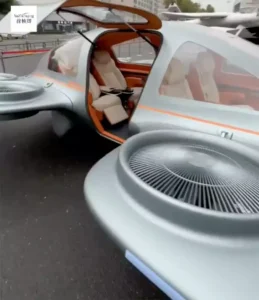
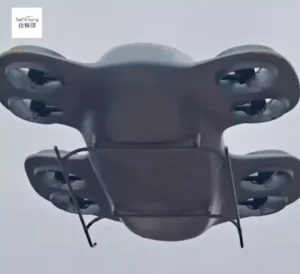
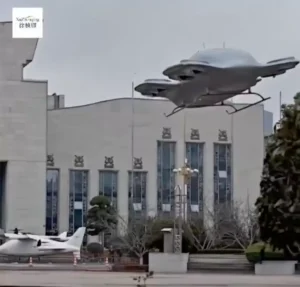
The new eVTOL model is designed to carry up to 450 kg of payload, making it suitable for applications such as:
-
Urban cargo delivery
-
Rescue and emergency response
-
Specialized logistics operations
The developer estimates the aircraft could sell for up to $290,000, and there are plans to introduce an “air car-sharing” model in the future.
A two-seat passenger version is also expected later this year, targeting low-altitude transportation and tourist flights.
Part of a Larger eVTOL Exhibition
The flying saucer prototype was displayed alongside several other advanced aircraft at the event.
One of the most notable was the V1000 hybrid tiltrotor, an eVTOL aircraft with:
-
Range of more than 1,000 km
-
Payload capacity of around 400 kg
The V1000 has already received certification, with its first test flight planned for 2026.
Another prototype on display was designed for medical missions, capable of carrying a stretcher and a mobile CT scanner, highlighting the growing role of eVTOL technology in emergency services.
Growing Global Interest in Urban Air Mobility
The rapid development of eVTOL aircraft reflects increasing global interest in urban air mobility, a sector expected to transform transportation in crowded cities.
China’s latest prototypes demonstrate how the technology could soon support cargo transport, air taxis, and emergency services in urban areas.