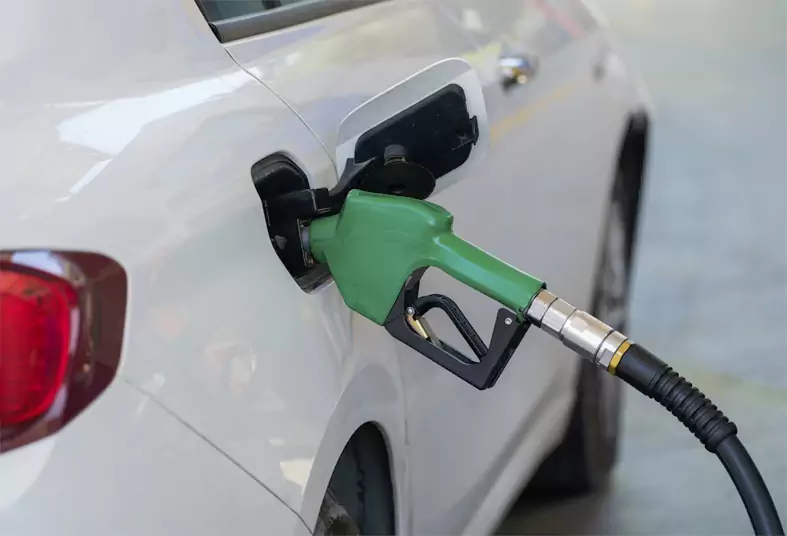
E20 Petrol: Is ethanol being mixed in premium petrol too? Is it harmful for older vehicles?
E20 Petrol Update: As per current government regulations, ethanol blending is now mandatory in both regular and premium petrol across India. This means even premium petrol is no longer completely ethanol-free.
A major change has come into effect from April 1, 2026, making it compulsory for all fuel stations in India to supply E20 petrol (20% ethanol blend). The government’s objective behind this move is to reduce dependence on crude oil imports, lower emissions, and support farmers economically.
However, this has raised an important question: If ethanol is mixed in both regular and premium petrol, can premium fuel also harm older vehicles?
Does Premium Petrol Also Contain Ethanol?
Yes, under the latest regulations, ethanol blending applies to both regular and premium petrol.
This means premium petrol is not ethanol-free anymore. The key difference between regular and premium fuel now lies mainly in the octane rating, not ethanol content.
Why Is Premium Petrol Considered Different?
Premium petrol usually comes with a higher octane rating (95 RON or above).
- Helps reduce engine knocking and pinging
- Ensures smoother combustion
- Contains additives and detergents
- Keeps engine components cleaner
Because of these qualities, premium petrol is better suited for high-performance or high-compression engines that require smoother and more efficient combustion.
On the other hand, E20 petrol is a blend of:
- 80% petrol
- 20% ethanol (derived from crops like sugarcane and corn)
It burns cleaner and is considered more environmentally friendly.
Impact on Older Vehicles
Experts suggest that vehicles manufactured before 2023 may face certain issues with E20 petrol:
- Mileage drop: Around 3% to 7%
- Material damage: Ethanol can affect rubber pipes, seals, and plastic components
- Moisture absorption: Ethanol attracts water, increasing the risk of corrosion in the fuel tank
- Engine performance: Long-term use may impact engine efficiency
Note: While E20 petrol is a step toward cleaner fuel and reduced imports, it may not be ideal for older vehicles. Even premium petrol now contains ethanol, so vehicle owners—especially those with older models—should take precautions and check compatibility before regular use.