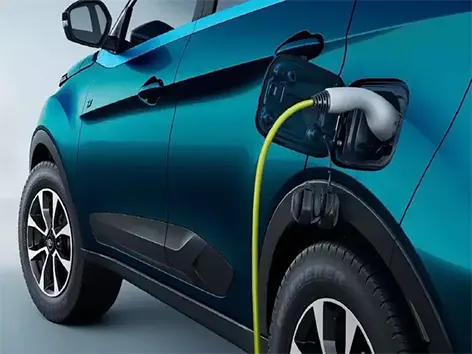
Geopolitical tensions have worsened fuel supply concerns, accelerating interest in electric vehicles (EVs) as a way to cut fossil‑fuel dependence. EV retrofitting — converting older petrol or diesel cars to electric — is gaining attention, but it brings both benefits and challenges that buyers should understand.
What is EV retrofitting? EV retrofitting converts a petrol or diesel vehicle to electric by removing the engine, fuel tank, fuel lines and exhaust, then installing an electric motor, battery and controller. The aim is to extend usable life and reduce running costs while keeping the original chassis.
How much does retrofitting cost? The retrofit market is nascent and led by small firms. Typical conversion costs vary widely; some estimates cite around ₹6.5 lakh. Post‑conversion running costs can fall to roughly ₹1/km, with claimed ranges near 200 km per charge — though figures depend on battery size and vehicle weight. Conversion of a Maruti Suzuki Dzire is estimated at ₹6–7 lakh in some reports, with potential claims of a 300 km range. Some providers propose battery‑as‑a‑service (BaaS) models to lower upfront costs.
How are companies approaching retrofits? Startups such as Folks Motor offer hybrid or mild‑hybrid conversion kits. Folks Motor estimates hybrid conversions at about ₹2.5 lakh for a Maruti Dzire, ₹3 lakh for a Brezza and ₹3.5 lakh for an Ertiga, claiming 40–60% mileage gains and 30–50% lower running costs. Treat such claims cautiously until independent tests are available.
Is retrofitting worthwhile? Retrofitting can reduce long‑term running and maintenance costs, but for many owners it may not be cost‑effective. Studies show retrofit costs can reach 60–70% of a new EV’s price; batteries alone account for roughly half the cost of a new EV. Retrofitted cars often lack manufacturer warranties and resale value can be lower, reducing their appeal.
What do studies indicate? Some analyses suggest retrofits can yield lower 10‑year total cost of ownership (TCO). One estimate puts four‑wheeler TCO at ₹6.32/km for retrofits versus ₹7.07/km for new EVs and ~₹7.20/km for ICE cars; two‑wheeler retrofit TCO is estimated at ₹1.6/km versus ₹2.36/km for new e‑bikes. However, long‑term battery degradation and real‑world durability data remain limited.
Expert views Some experts estimate retrofitted vehicles gain only 4–6 extra years of service before performance and battery capacity decline. Batteries and kits must meet safety standards (e.g., AIS‑156), adding complexity and cost — so retrofitting is neither simple nor cheap.
Barriers to scale High conversion costs, model‑specific kit development, and certification hurdles (ARAI/ICAT) limit scale. Retrofit kits face 18% GST versus 5% on new EVs, and R&D plus certification can cost ₹50 lakh–₹1 crore or more per kit. Low demand prevents mass production and price reductions.