The war with Iran is inflicting broad economic damage worldwide: energy and fertilizer prices are rising, food shortages risk worsening in low-income countries, fragile states such as Pakistan face greater instability, and central banks’ policy choices are becoming more complicated.
Much of the disruption stems from the effective shutdown of the Strait of Hormuz — which handles about one-fifth of global oil flows — after U.S. and Israeli missile strikes on Feb. 28 that killed Iranian leader Ayatollah Ali Khamenei. Economists warned for years that closure of the strait would be a worst-case scenario; that scenario now appears to be unfolding.
With the key route effectively closed, oil prices surged from under $70 a barrel on Feb. 27 to nearly $120 at their peak, later easing toward $90. Gasoline prices followed: AAA reports the average U.S. price rose to $3.48 a gallon from just under $3 the previous week. Effects are likely to be more severe in Europe and Asia, which are more dependent on Middle Eastern energy supplies.
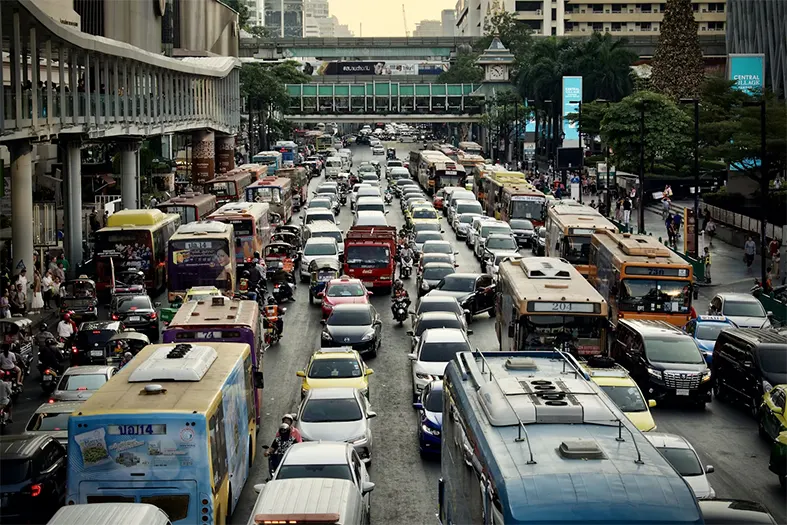
Countries across Asia are already taking measures. India faces restaurant shutdown warnings as gas is prioritized for households; Thailand suspended overseas travel for civil servants and urged stair use; the Philippines introduced temporary four-day weeks for some government agencies; Vietnam is encouraging remote work.
About 20 million barrels per day transit the Strait of Hormuz; there is no global spare capacity readily available to replace that flow, making the oil shock acute. Kristalina Georgieva of the IMF warns a sustained 10% rise in oil prices would raise global inflation by 0.4 percentage points and could reduce global output by up to 0.2%.
Still, some economists point to past resilience after major shocks—including Russia’s invasion of Ukraine and large, unpredictable U.S. tariffs in 2025—and say the global economy may absorb the latest disruption if prices revert toward the $70–$80 range. How long the disruption lasts and Iran’s next moves — now led by Mojtaba Khamanei, seen as a hardliner — will be decisive. Uncertainty about U.S. objectives compounds the outlook.
The crisis is creating clear winners and losers. Energy importers such as much of Europe, South Korea, Taiwan, Japan, India and China face worse pain from higher prices. Pakistan, which imports about 40% of its energy and depends heavily on Qatari liquefied natural gas that has been disrupted, is particularly vulnerable; its central bank may need to raise rates despite weak growth because inflation pressures will intensify. Oil producers outside the conflict zone, such as Norway, Russia and Canada, stand to benefit from higher prices.
Fertilizer shipments are also affected: up to 30% of global fertilizer exports transit the Strait, and disruptions have already raised costs for farmers, which in turn pushes food prices higher—threatening low-income countries with the greatest risk of shortages.
In the United States, net energy exporter status means the country may gain slightly overall, but households will feel higher fuel costs. Analysts estimate a 20% increase in gasoline prices would erase most of the benefits of recent tax cuts for the majority of Americans and squeeze household budgets further.
For central banks, the crisis is a policy dilemma. Higher energy prices feed inflation while simultaneously suppressing growth. Should policymakers raise interest rates to control inflation or cut them to support the economy? The memory of the 1970s—when accommodative policy amid energy shocks helped entrench high inflation—weighs heavily on decisions today. The debate inside the Federal Reserve is likely to intensify, making rate cuts less likely in the near term.