
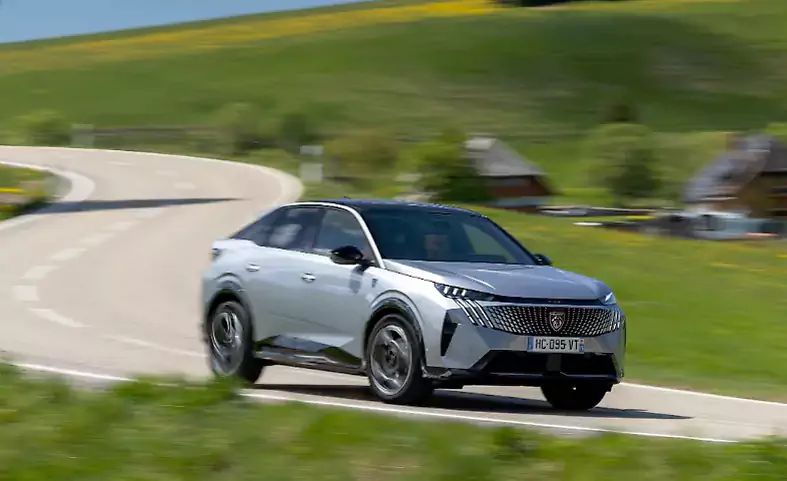

Peugeot 308 and 3008 — A Blend of Aesthetics and Utility
French automaker Peugeot offers entry into the fully fledged compact segment starting at €239 per month. The sedan, station wagon, and SUV versions have been extensively tested. Many variants are electric, though not exclusively. The big question is: how well do these French models perform in real-world conditions?
Attractive Entry Pricing — With Conditions
At first glance, the advertised €239 per month lease for the Peugeot 308 looks appealing. However, the offer typically includes only 10,000 free kilometers per year and may involve additional charges for damage at the end of the lease.
There’s another catch. Before the facelift, the compact model was priced under €30,000. Today, the starting price has climbed to €34,110, which changes the value equation significantly.
Peugeot 308 SW Adds Practicality
Buyers wanting more space can opt for the Peugeot 308 SW estate version. For roughly €1,000 extra, it offers:
-
Longer wheelbase (up nearly 6 cm)
-
Improved rear passenger space
-
Up to nearly 1,500 liters of boot capacity
This makes the SW a more family-friendly choice.
Electric 308: Good Performance, Limited Endurance
The electric 308 comes with a 156 hp front-wheel-drive setup. Performance is adequate for daily driving, but long-distance users may notice some drawbacks.
Key observations:
-
Battery drains relatively quickly in cold weather
-
Real-world range can drop on highways
-
Onboard range estimates can be overly optimistic
With a 58 kWh battery and 100 kW peak charging, the starting price above €42,000 feels steep for what’s offered.
Peugeot 3008 Electric — The Better Deal?
For roughly €6,000 more, the Peugeot 3008 electric SUV appears more compelling.
Why it stands out:
-
More modern design
-
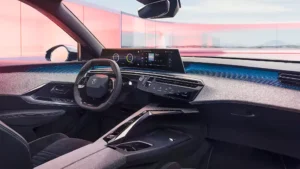
Premium interior feel
-
Higher output of 213 hp
-
Faster 0–100 km/h (8.8 seconds vs 9.8 seconds)
-
Larger 73 kWh battery
Peak charging is 160 kW, though the charging curve tapers quickly. A 20–80% charge takes about 30 minutes.
For a 600 km highway trip at 120–130 km/h, drivers should realistically plan an additional 30–45 minutes for charging stops. A newer 97 kWh version promises over 600 km WLTP range, which should better suit long-distance users.
Diesel and Plug-In Hybrid Options
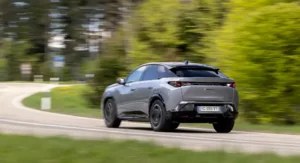
Not everyone wants full electric. The 308 is still available with a 130 hp diesel engine paired with an eight-speed automatic, delivering fuel consumption below 5 L/100 km.
Both the 308 and 3008 are also offered as plug-in hybrids featuring:
-
Battery capacity over 17 kWh
-
Pure electric range exceeding 80 km
-
Eligibility for reduced company car taxation in many markets
These variants may appeal particularly to business users and self-employed buyers.
Comfort and Technology Experience
Peugeot delivers comfortable seating suitable for long journeys. However, the human-machine interface could use improvement.
Pros:
-
Supportive seats
-
Logical menu structure
-
Driver assistance systems can be disabled quickly
Cons:
-
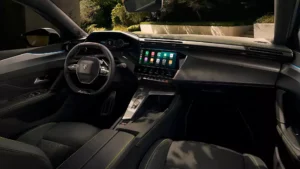
Infotainment response feels dated for 2026
Practicality Verdict
The 3008 clearly wins on practicality, offering up to nearly 1,700 liters of boot space depending on the variant. It starts at €41,150 for the hybrid three-cylinder petrol version (145 hp system output with dual-clutch transmission).
Meanwhile, the base 308 remains the budget-friendly choice for buyers seeking maximum value — especially if they can negotiate dealer discounts or secure a strong leasing deal.
Pros & Cons
Peugeot 308
✅ Pros
-
Stylish and sharp exterior design
-
Comfortable seats for long journeys
-
Available in multiple powertrains (petrol, diesel, PHEV, EV)
-
Good fuel efficiency in diesel variant
-
More affordable entry price than the 3008
-
Estate (SW) version offers strong practicality
❌ Cons
-
Electric version has limited real-world highway range
-
Infotainment response feels slow for 2026 standards
-
Base price has increased significantly after facelift
-
Rear space is decent but not class-leading
-
Charging speed and battery size feel average for the price
Peugeot 3008
✅ Pros
-
Modern, premium-looking SUV design
-
More powerful electric drivetrain (up to 213 hp)
-
Larger battery options and better long-distance capability
-
More spacious and practical boot (up to ~1,700 liters)
-
Higher perceived interior quality
-
Better overall value in electric form than the 308
❌ Cons
-
Higher starting price
-
Charging curve drops quickly at higher battery levels
-
Still not the fastest charging in the segment
-
Hybrid base engine may feel underwhelming to some buyers
-
Touch-based controls may not suit all users
FAQ
Q1. Which is better: Peugeot 308 or 3008?
The 308 is better for buyers seeking a more affordable compact car, while the 3008 is the stronger choice for those wanting SUV practicality, more power, and a more premium feel.
Q2. What is the electric range of the Peugeot 308?
The electric 308 offers a claimed range of around 196–201 km in the tested context, though real-world highway range can be lower, especially in cold weather.
Q3. Is the Peugeot 3008 good for long-distance driving?
Yes, especially the larger-battery electric versions and hybrid variants. However, long highway trips still require planned charging stops.
Q4. Does Peugeot offer diesel options in the 308?
Yes, the 308 is available with a 130 hp diesel engine paired with an eight-speed automatic transmission, delivering strong fuel efficiency.
Q5. Which Peugeot model offers more boot space?
The 3008 offers more maximum boot capacity (up to around 1,700 liters), making it the more practical family SUV.