Tata Motors Commercial Vehicle Price Hike from April 2026: Key Details Explained
India’s leading automaker Tata Motors has announced a price increase across its commercial vehicle portfolio. The company will implement a hike of up to 1.5% starting April 1, 2026. This move comes at a time when the entire automotive industry is grappling with rising input costs and fluctuating raw material prices.
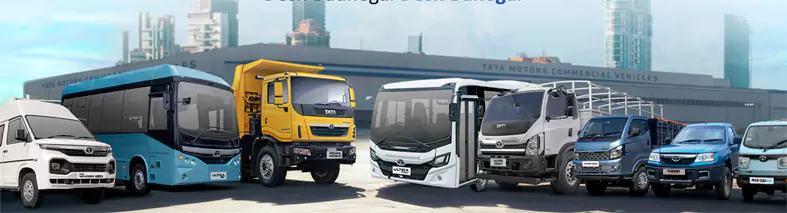
The price revision will impact a wide range of commercial vehicles, including trucks, buses, and small cargo vehicles. However, the increase will not be uniform across all models, as Tata Motors has opted for a more balanced approach to avoid putting excessive pressure on customers.
Why Tata Motors Is Increasing Prices
The primary reason behind the price hike is the continuous rise in input and raw material costs. Over the past few months, the prices of essential materials like steel and other metals have steadily increased. These materials are crucial in vehicle manufacturing, making cost control increasingly difficult for automakers.
In addition to raw materials, logistics and supply chain expenses have also surged. Factors such as fuel price fluctuations, transportation challenges, and global supply chain disruptions have added to the burden on manufacturers.
Tata Motors has stated that it had been absorbing a significant portion of these rising costs internally. However, maintaining this approach has become unsustainable. As a result, the company has decided to pass on a small portion of the increased costs to customers.
Price Hike Will Vary Across Models
Unlike a flat price increase, Tata Motors has chosen a more strategic method. The hike will differ depending on the type of vehicle and its variant. This means that some models may see a marginal increase, while others could experience a slightly higher adjustment within the 1.5% cap.
This approach allows the company to distribute the cost burden more evenly. It also helps minimize the impact on customers who rely heavily on commercial vehicles for their daily operations, such as logistics operators, fleet owners, and small business users.
By avoiding a uniform hike, Tata Motors aims to maintain competitiveness in the market while still addressing cost pressures.
Industry-Wide Pressure from Rising Costs
The decision by Tata Motors is not an isolated case. The global automotive industry is currently facing similar challenges. Rising raw material prices, particularly metals like steel and aluminum, have significantly increased production costs.
Supply chain disruptions, which began during the pandemic years, continue to affect the availability and pricing of components. Additionally, higher logistics costs and currency fluctuations have further complicated the situation for manufacturers.
As a result, many automakers are revising their pricing strategies to protect their margins.
Other Automakers Also Announce Price Hikes
Luxury car manufacturers such as Audi and Mercedes-Benz have also announced price increases of up to 2% across their product portfolios starting April 2026.
These announcements indicate a broader trend in the industry, where companies are adjusting prices to cope with rising expenses. While the percentage increase may vary, the underlying reason remains the same—higher input and operational costs.
This coordinated trend suggests that customers across different segments, from commercial to luxury vehicles, may face higher prices in the coming months.
Impact on Commercial Vehicle Buyers
The price hike is expected to have a moderate impact on buyers. Since the increase is capped at 1.5% and varies by model, it is unlikely to cause a major disruption in purchasing decisions.
However, for businesses that rely on large fleets, even a small increase can add up. Fleet operators, logistics companies, and transport businesses may need to adjust their budgets accordingly.
On the positive side, the gradual and model-specific nature of the hike ensures that the financial burden is not too heavy on any single category of buyers.
Tata Motors’ Continued Focus on Future Mobility
Despite the price increase, Tata Motors continues to invest heavily in its commercial vehicle segment. The company is actively working on expanding its portfolio of electric buses, electric trucks, and other sustainable mobility solutions.
These investments are part of a broader strategy to align with future mobility trends and government policies promoting cleaner transportation. The commercial vehicle segment plays a crucial role in this transition, especially in areas like public transport and logistics.
The upcoming financial year is expected to be significant for Tata Motors as it balances cost pressures while continuing innovation and expansion.
Why Commercial Vehicle Segment Is Sensitive to Cost Changes
The commercial vehicle market operates on tight margins and high operational costs. Factors such as fuel prices, maintenance expenses, and financing costs already put pressure on buyers.
In this segment, even minor changes in vehicle prices can influence buying decisions. Businesses often calculate total cost of ownership (TCO) before making a purchase, and any increase in upfront cost can affect profitability.
At the same time, manufacturers also face challenges in maintaining margins due to fluctuating input costs. This creates a delicate balance between pricing and demand.
Timing of the Price Revision
The new prices will come into effect from April 1, 2026, marking the beginning of the new financial year in India. This is a common time for automakers to revise prices, as it aligns with updated cost structures, new budgets, and business strategies.
Many companies use this period to adjust their pricing based on the previous year’s performance and future outlook. Tata Motors’ decision follows this industry practice.
Final Takeaway
Tata Motors’ decision to increase commercial vehicle prices by up to 1.5% reflects the broader challenges faced by the automotive industry. Rising raw material costs, higher logistics expenses, and ongoing supply chain issues have made it difficult for manufacturers to maintain current pricing levels.
By opting for a gradual and model-specific hike, Tata Motors aims to strike a balance between managing costs and supporting customers. While the increase may have a minor impact on buyers, it is part of a larger trend affecting the entire sector.
As the industry continues to evolve, pricing strategies will likely remain dynamic, influenced by global economic conditions and technological advancements.