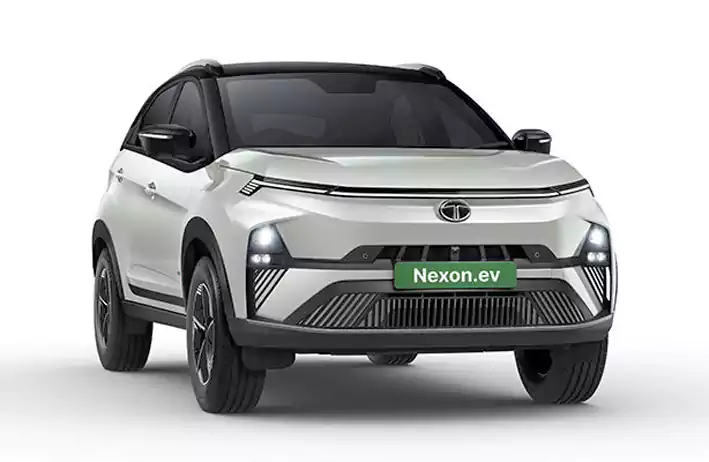
Tata Nexon EV: Ultra-Low Running Cost Revolution
The demand for electric vehicles in India is rising rapidly, and the Tata Nexon EV is leading this shift. Recent data highlights that the SUV’s running cost has dropped to just ₹1–₹2 per kilometre, making it significantly more affordable than petrol and diesel cars.
For daily commuters, this translates into massive long-term savings and a strong reason to switch to electric mobility.
Running Cost Comparison: EV vs Petrol Cars
One of the biggest advantages of the Nexon EV is its extremely low running cost:
- Tata Nexon EV: ₹1–₹2 per km
- Petrol Cars: ₹6–₹8 per km
Charging at home is the most cost-effective option, with electricity rates typically ranging between ₹6–₹10 per unit. Even with public fast charging (₹12–₹25 per unit), the cost remains far lower than conventional fuel vehicles.
Up to 50% Lower Maintenance Costs
Electric vehicles are mechanically simpler compared to ICE vehicles, which results in lower maintenance expenses.
- No engine or complex gearbox
- Fewer moving parts
- Reduced servicing requirements
As a result, the Nexon EV offers up to 50% lower maintenance costs compared to petrol and diesel cars.
Battery Warranty and Long-Term Savings
Tata Motors provides strong after-sales support for the Nexon EV:
- Battery & Motor Warranty: 8 years / 1,60,000 km
For a user driving around 15,000 km per year, the savings can reach approximately:
- ₹80,000 to ₹1,00,000 annually compared to petrol vehicles
ICE Car Prices Increasing from April 2026
In a recent announcement, Tata Motors confirmed that prices of ICE passenger vehicles will increase by around 0.5% from April 1, 2026.
Affected models include:
- Tata Punch
- Tata Harrier
- Tata Nexon
- Tata Safari
Notably, this price hike will not impact electric vehicles, making EVs an even more attractive option for buyers.
The Road Ahead for EV Adoption
If electricity prices remain stable and ICE vehicle costs continue to rise, EVs like the Tata Nexon EV will become even more cost-effective.
- Expanding charging infrastructure
- Better financing options
- Increasing consumer awareness
These factors are pushing EVs closer to achieving cost parity—or even superiority—over petrol and diesel cars in terms of total ownership cost.
Note: The Tata Nexon EV stands out as one of the most economical cars to run in India today. With ultra-low running costs, reduced maintenance, and strong warranty support, it offers a compelling alternative to traditional fuel-powered vehicles.
For budget-conscious buyers and daily commuters, switching to EVs is no longer just an eco-friendly choice—it’s a financially smart decision.