
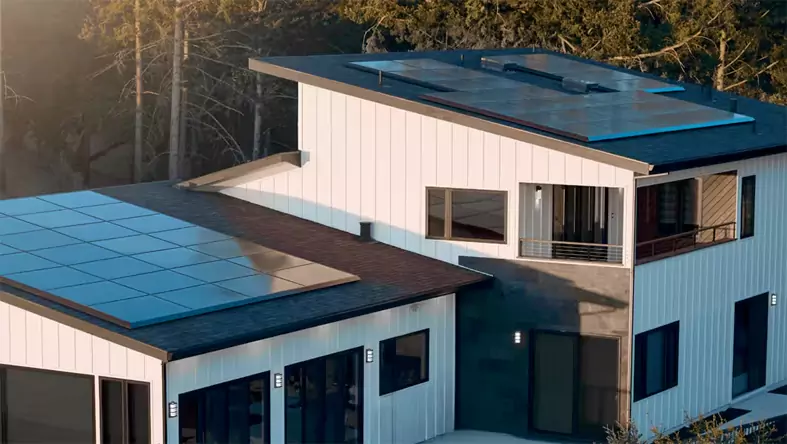

Tesla Shares Home Solar Payback Outlook
Tesla has published new data on the payback periods for home solar panel systems, noting that the expiration of the US federal residential tax credit at the end of 2025 does not eliminate the economic benefits of going solar.
According to the company, state-level incentives and modern grid programs continue to support strong returns for homeowners.
State Programs Still Reduce Costs
Even after federal incentives end, many US states continue to offer tax credits and subsidies for installing solar panels and home battery systems.
For example:
-
In New York, homeowners can receive 25% reimbursement of system costs
-
The benefit is capped at $5,000
These regional programs can significantly lower upfront investment.
Extra Earnings Through Grid Programs
Tesla highlighted additional financial advantages available to solar homeowners:
-
Selling excess electricity back to the grid
-
Receiving utility billing credits
-
Participating in virtual power plant (VPP) programs
Under VPP programs, battery-equipped homes can supply energy to the grid during peak demand periods and receive regular payments.
Solar + Home Battery Still Makes Financial Sense
Tesla emphasizes that combining rooftop solar with home energy storage remains cost-effective because it:
-
Reduces dependence on rising electricity tariffs
-
Improves home energy resilience
-
Provides access to modern grid revenue programs
Average Solar Payback Period by State (Without Federal Credit)
| State | Net System Cost ($) | Average Payback (Years) |
|---|---|---|
| Arizona | $24,350 | 12.7 |
| California | $22,178 | 10.9 |
| Colorado | $22,572 | 11 |
| Florida | $25,600 | 11.8 |
| Maryland | $21,320 | 9.7 |
| Massachusetts | $30,050 | 8.9 |
| New Jersey | $21,330 | 8 |
| New York | $20,115 | 7 |
| Texas | $26,700 | 14.6 |
| Washington | $23,580 | 14.4 |
| Hawaii | $10,368 | 5 |
Key insight: Payback periods vary widely by state, mainly due to differences in electricity prices, sunlight availability, and local incentives.
Even without the federal residential solar tax credit after 2025, Tesla believes home solar paired with battery storage remains financially attractive in many US states—especially where local incentives and high electricity prices persist.