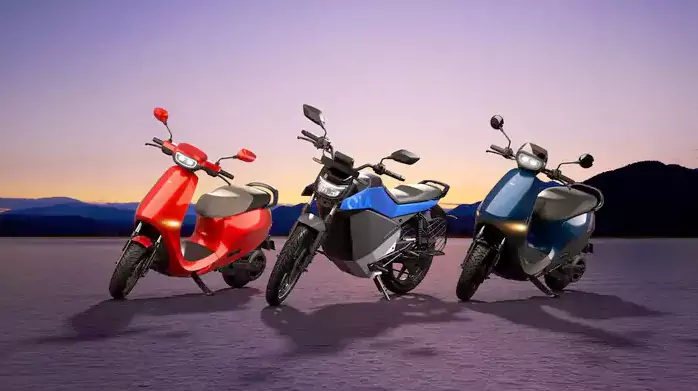
Government Updates PM E-DRIVE Scheme to Boost EV Adoption
The Government of India has introduced major revisions to the PM E-DRIVE scheme, aimed at accelerating the adoption of electric vehicles (EVs) across the country. The updated rules include new deadlines, pricing limits, and eligibility conditions for subsidies.
This move is expected to push more buyers toward electric mobility while ensuring targeted benefits for affordable vehicles.
Why Electric Vehicles Are Being Promoted
Electric vehicles are increasingly seen as a cost-effective and eco-friendly transportation solution. Compared to petrol and diesel vehicles, EVs offer:
- Lower running and maintenance costs
- Zero tailpipe emissions
- Reduced dependence on fossil fuels
To encourage this shift, the government continues to introduce policies and incentives under schemes like PM E-DRIVE.
₹10,900 Crore Budget Allocated
The PM E-DRIVE scheme comes with a substantial budget of ₹10,900 crore, focusing primarily on:
- Electric two-wheelers (e-scooters & bikes)
- Electric three-wheelers (e-rickshaws & e-carts)
The goal is to increase EV sales and reduce the use of conventional fuel-powered vehicles.
New Deadline to Avail Subsidy
The government has now set strict timelines for availing subsidies:
- Electric Two-Wheelers:
Must be registered before July 31, 2026 - Electric Three-Wheelers:
Must be registered before March 31, 2028
⚠️ Vehicles registered after these deadlines will not be eligible for subsidies.
Price Limit for Subsidy Eligibility
To ensure affordability, the government has also introduced price caps:
- Electric Two-Wheelers:
Maximum ex-showroom price ₹1.5 lakh - Electric Three-Wheelers:
Maximum ex-showroom price ₹2.5 lakh
Any vehicle priced above these limits will not qualify for subsidy benefits.
Note: The revised PM E-DRIVE scheme makes it clear that the government is focusing on affordable electric mobility. With defined deadlines and price caps, buyers now need to act quickly to take advantage of subsidies.
This policy update is likely to boost EV adoption in India, especially in the two-wheeler and three-wheeler segments, making electric transport more accessible to the masses.