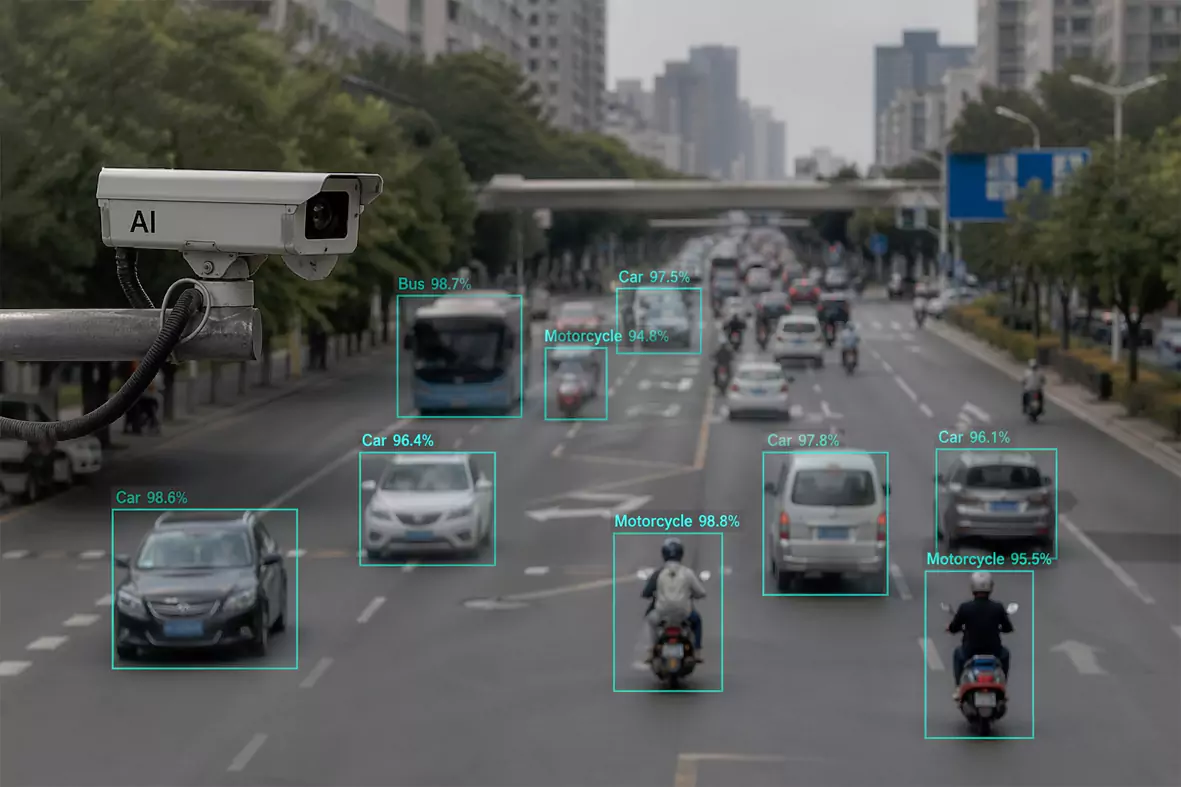
AI Controls Traffic Signals in Ahmedabad: Here’s How the System Works
An AI-powered traffic management system has been introduced in Ahmedabad to reduce congestion and long waiting times at signals. As part of a pilot project, the adaptive traffic control system has been installed at 10 major intersections across the city.
The primary goal of this initiative is to improve traffic flow and minimize delays for commuters.
What is an Adaptive Traffic Control System?
The new system uses artificial intelligence to adjust traffic signals in real time. Unlike traditional traffic lights that operate on fixed timers, this AI-driven setup continuously monitors road conditions and dynamically changes signal durations based on actual traffic density.
Network of Cameras and Sensors
The system relies on a network of cameras and sensors installed at key intersections. These devices track:
- Number of vehicles
- Vehicle speed
- Lane usage
This data provides a real-time picture of traffic flow, allowing the system to make quick and accurate decisions.
How Does the System Work?
The biggest advantage of this AI system is its adaptability. For example, if a signal is set for 50 seconds but traffic clears in just 20 seconds, the system can immediately reduce the green signal time and allocate the remaining time to a more congested lane.
This ensures smoother traffic flow and reduces unnecessary waiting at signals.
Benefits for Commuters
Initial results from the pilot project have shown promising improvements:
- Reduced traffic congestion
- Shorter travel times
- Lower fuel consumption due to less idling at signals
Pilot Project Status
Currently, the system is under trial, and officials are closely monitoring its performance. If successful, the AI-based traffic management system may be expanded to more intersections across Ahmedabad.